


Is Pride and Prejudice a Christian novel?
Yes and no.
Fiction genres have specific requirements to fit their niches. The trouble with Jane Austen and most classics is that they were written before the genres were established. For example, for a work to be considered part of the Romance genre, as opposed to having a romantic subplot, the romance must take center stage. If you remove the romance—that is, the falling in love and journey of their relationship to a happily ever after (or happy for now)—then the story unravels. Think Titanic, but Jack just saves Rose, and they never fall in love. There is no story. It’s just the sinking of the ship. Another example would be The Sound of Music, but Maria doesn’t return from the Abbey, or she never falls for the Captain. Every character stays static—it’s the romance between Maria and Captain von Trapp that changes every person in the story.
Likewise, the Christian genre has requirements. Most readers will say that Jesus Christ must be integral to the plot. If you remove His element and the story stands, it may have Christian themes and a faith arc, but other genre labels would fit better. Due to this definition, Pride and Prejudice is not a Christian novel. However, a deeper look is required.
While it may not fit our contemporary definition of a Christian work, Pride and Prejudice is built upon the tenets of Christianity. Jane Austen, the minister’s daughter, encased one of the world’s most beloved novels in a story of forgiveness, redemption, and transformation—showing what the resurrection of Jesus Christ can do in our mundane lives.

The first example of this Christian influence is seen as the characters are Christian. We know this as they mention faith, prayer, and church. There are several mentions of church attendance in the novel. However, that alone is insufficient to demonstrate that the main characters are Christian. Modern readers often struggle to understand the difference between morality and faith—there are classes and books debating the topic. Jane Austen is clever and uses that confusion.
For example, does George Wickham actively do illegal things? Not most of the time. It does not seem to concern anyone until his reputation is tarnished. The issue of gambling debts going undetected is akin to unpaid speeding tickets. Very few people would denounce someone for them—until their speeding causes a deadly crash. Suddenly, what was overlooked is now proof of their poor character all along. Does Wickham do immoral things? Not on the surface, or everyone would notice. However, he doesn’t live by faith, and that’s what comes out in the end. We see that by not even giving lip service to faith proves him to be worse than the religious hypocrites that we see in Mr. Collins and Lady Catherine de Bourgh.
Further proof that the characters are Christian can be found in Elizabeth’s standard for the people she values. They must genuinely and unselfishly care for others. She is no bleeding heart and asks people to sacrifice their entire incomes to redistribute wealth. She is not a radical and suggests an overthrow of the monarchy. She isn’t a pacifist and declares the need for peace with Bonaparte. Instead, she wants people to notice those around them.


Consider the individuals that she does not hold in high regard. Her mother is self-centred. Everything is about what it can mean for her—yes, even the hope of marrying the girls off is about fulfilling her own wishes. She never asks who they would like to marry. For most of the book, Mary does as she pleases or lets everyone know she is annoyed. She has no problem inflicting her desires on others, even if inconvenient. She does not consider the hurt she brings when she censures behavior and does not couch her words in love. Kitty and Lydia are spoiled and were certainly never taught about self-sacrifice. Mr. Collins’ servile manner is really to help himself.
On the other hand, Elizabeth is close with Jane, her father, and Mr. and Mrs. Gardiner. Jane is quick to forgive and slow to condemn, often seeing the good in everyone no matter how deep she has to look. Elizabeth says several times that she wishes she could be more like Jane. Mr. Bennet is long-suffering. He does thoughtlessly tease and often frustrates his wife because he doesn’t put in much effort—but he also puts up with a great deal. He is not quick to wrath. Why? Because he loves his family, even when they make his life more difficult. Mr. and Mrs. Gardiner care about others a great deal. It is evident from the text that they often host at least Jane and Elizabeth. They endure the silliness of the Bennets with even greater grace than Mr. Bennet. They extended their home to Sir William Lucas and Maria on the way to Kent. The Gardiners put in a lot of effort to look for Lydia. It was even believable that they would spend a fortune on the situation. Then, they were anxious to keep Mr. Darcy’s secret. Their greatest joy was in Elizabeth’s happiness.



There were three people Elizabeth was confused about: Charlotte, Darcy, and Mr. Wickham. In the end, Charlotte showed that she could not be self-sacrificing. She desired material security and physical comfort above having a spouse she could respect and esteem. Elizabeth’s original complaint about Darcy was that he did not mingle with the area. Look at his argument with Bingley. He didn’t want to dance. He was unwilling to put aside that desire and discomfort. He rated his own wants above others. It immediately disgusted Elizabeth. Then, we have George Wickham. His story of woe carried great weight with Elizabeth. Her trust in him centered on his vow that he could never disgrace George Darcy. He would sacrifice his chance at revenge against Fitzwilliam Darcy. After being a no-show at the Netherfield ball, he said he worried it might anger Darcy and cause a scene. Supposedly, he was sacrificing his just due.
Of course, it is soon discovered that Wickham is the epitome of selfishness and Darcy not only has some innate unselfish qualities, but he gains more and is willing to sacrifice his pride, income, respect of friends and family, and standing to not just pursue Elizabeth romantically but to give her peace of mind.
Is self-sacrifice a moral requirement? No. It’s the complete opposite of logic. Morality centers on equality and justice. Is it fair? Can you ask someone to give up a piece of their income to help feed the community? Sure, within reason. They’ve got plenty of income left. Can you ask them to give up their only vehicle and source of transportation? No. You have taken their only way to get to work, and it is now unfair. If you take their vehicle, then you must compensate them somehow. Morality is restricted by fairness.
Christianity is about mercy, not justice. Christian faith is built upon believing in Jesus Christ’s death as a sin offering for mankind and His resurrection. He lived a humble, sinless life. Likewise, the true Christian has His life in them, producing fruit. In easier terms, they behave like Jesus did. Jesus never had worldly goods. He loves others unconditionally. He sacrificed His very life for others. Self-sacrifice is the epitome of faith, and that is the standard Elizabeth has for her companions.
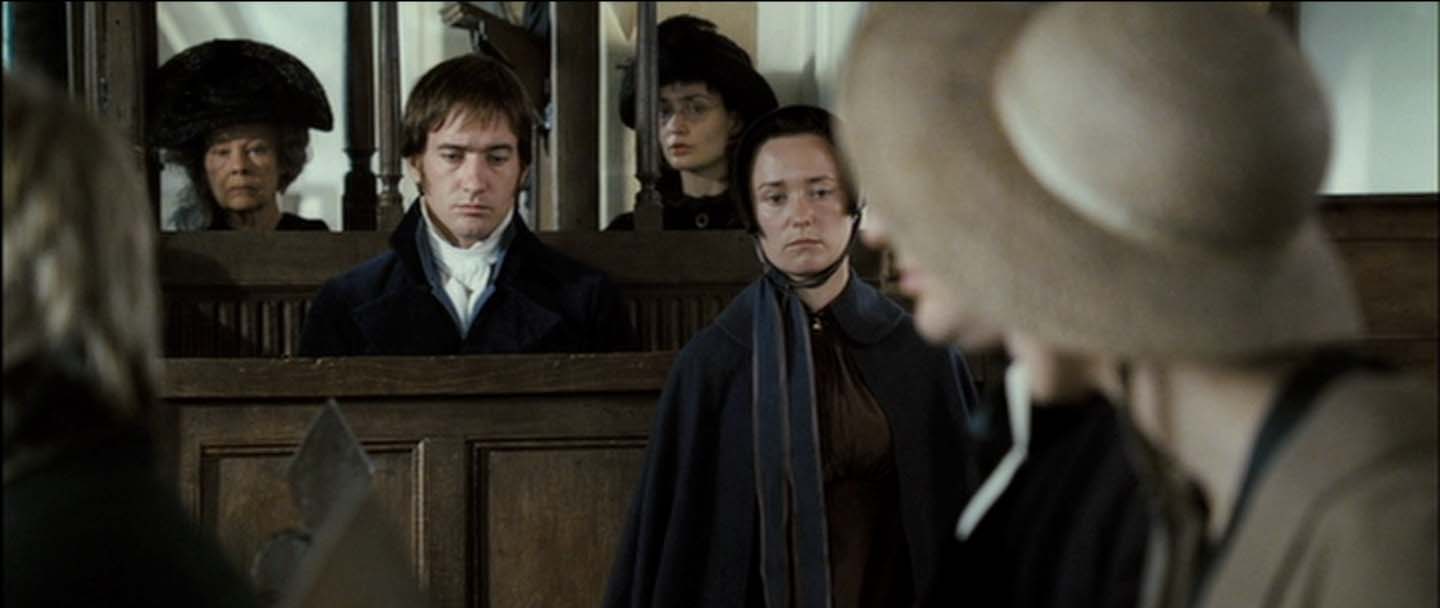
It is no coincidence that a pivotal portion of the book takes place around Easter. In the Spring, Elizabeth goes to visit Charlotte, and Darcy comes to visit his aunt over Easter. Why, then? In all my research, I’ve never seen an answer. Why did Elizabeth have to go to Kent in the Spring? In fact, she sees quite a transition of the seasons as the gardens come alive. That rebirth is a symbol of Easter.
Elizabeth first sees Darcy again just before Easter, then at church on Good Friday a few days later. On Easter Sunday, she is at Rosings and interacts with Darcy over the pianoforte. The following day, Darcy begins visiting the parsonage more and bumping into Elizabeth on walks. Then, Elizabeth conducts an investigation against Darcy. Believing she has solid evidence against him, she essentially tries and convicts him during his proposal. The next morning, she finds out that she is almost entirely wrong about him (seeing the sense with Jane and Bingley did take longer than a day, but the seeds were there).
Game over. Elizabeth will never see Darcy again. But no! In one of the most incredible twists in Classic Literature, Darcy arrives at Pemberley when Elizabeth is forced to go and is assured he will be absent. Now, we must surely come to a happy conclusion. Darcy can prove he is kind, and Elizabeth can make amends for her mistakes.
Unfortunately, Lydia’s elopement interrupts the scene. Even once she is restored to the family, Darcy and Elizabeth seem destined to never be. Darcy has given so much that it embarrasses Elizabeth into silence. Thank goodness for Mr. Collins and Lady Catherine’s meddling. Elizabeth’s confession makes its way to Darcy’s ears, and we finally have our resolution.


Looking at this with faith eyes, I see: growing conflict and disaster until confession (proposal & letter). Separately, they bury the past. It’s a time of remorse and conviction. They both change due to the revelation of truth. They had been deceived about each other and so much else. That truth sets them free. The seed that is planted, the desire to change, is instantaneous, but the growth is not. After time and trial, their characters are resurrected in a glorified state and ultimately reunited in perpetual bliss.
Faith abounds in Pride and Prejudice because it is in the very makeup of the characters. The inherent beliefs that are genuinely held and not put on to meet society’s standards blossom as the characters grow on their journey. This is reinforced by the plot that not only sets the stage around the most important Christian celebration but it mirrors the resurrection story. Using the vehicle of Mr. Darcy and Elizabeth’s romance, Jane Austen shows us the Christian’s path: full of mistakes and unmerited grace, transformation after guilt and confession, and the reward of unconditional love.
Discover more from Rose Fairbanks
Subscribe to get the latest posts sent to your email.
 Rose Fairbanks